Ask any type of procedures supervisor about non reusable gloves and you will hear the exact same refrain: they are necessary, they pile up quickly, and they set you back greater than the purchase order suggests. The choice to tidy or dispose of PPE Gloves is not a minor housekeeping option. It touches procurement spending plans, governing risk, Cross-contamination avoidance, employee spirits, and a firm's Ecological obligation. I have depended on production floors where trash bins full of nitrile handwear covers every hour, and I have also helped teams pilot glove cleansing programs that spent for themselves inside a quarter. The appropriate direction relies on your materials, your threat resistance, and the maturity of your top quality systems.
This piece lays out how to evaluate the dollars-and-cents ROI, exactly how to factor functional danger, and exactly how to assume clearly regarding environmental compromises. It additionally discuss useful tooling, consisting of when an ROI calculator helps and when it misdirects, and where PPE gloves recycling or a Circular economic climate model fit. If you are taking into consideration a partner, I will certainly reference Libra PPE Recycling as one example of a specialized supplier, not as an universal solution.
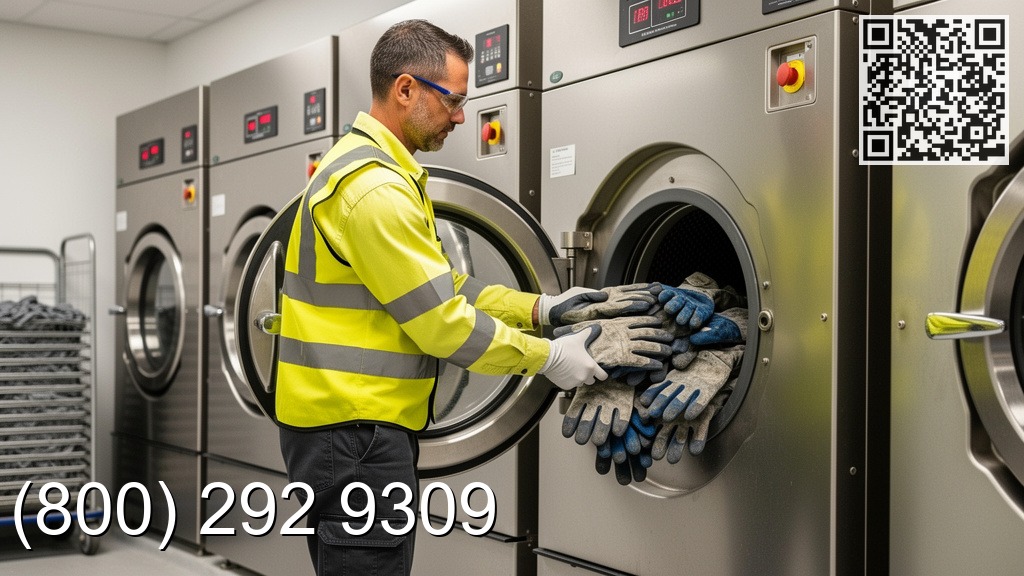
How gloves actually get used
On paper, a handwear cover is a glove. In technique, job risk, soil kind, and changeover frequency define whether cleaning makes sense. In an electronics plant soldering boards, many operators alter handwear covers because of change deposit, yet those gloves remain structurally sound after a short shift. In a pharmaceutical cleanroom, the calculus changes because even a little deposit can jeopardize a set. In a meat handling facility, everyday microorganisms and oily dirts dominate the decision.
A fast area check informs you more than a spreadsheet. Shadow two workspace for half a shift. Note just how commonly gloves are transformed, why they are transformed, and where they end up. Usual factors consist of tears, degraded grasp, visible soil, or a change in item touchpoints that calls for Cross-contamination avoidance. If majority of your glove modifications are driven by minor messing or policy as opposed to damages, a cleansing or recycle lane may be practical in some zones.
Cost is not simply the cost per box
Procurement typically sees the system cost. Finance respects complete cost of ownership. The distinction can be 30 to 70 percent. Right here are the huge pails that often remain undetectable till you gauge them:
- Purchases: expense per handwear cover, quantity acquired, rush-order premiums Handling: receiving, storage, inner circulation, shrinkage Disposal: carrying fees, weight-based tipping, contaminated waste surcharges Operational downtime: handwear cover modifications that extend cycle time, mis-sized gloves that slow down work Compliance and top quality: deviations, rework, remembers, and audits when Cross-contamination prevention fails
That last classification is sensitive because the numbers surge only when something goes wrong, yet those are the costs that define career-ending occasions. Any type of ROI calculator that disregards top quality threat is an advertising tool, not an administration tool.
What cleaning actually involves
Glove cleansing is not throwing gloves in a cleaning equipment. Industrial glove cleansing lines separate, examine, and procedure handwear covers with detergents and water temperatures matched to the polymer. Nitrile deals with heat differently than latex. PVC coatings on cut-resistant liners respond differently than polyurethane. After cleaning, gloves may be sanitized, dried to a defined dampness material, and post-processed to bring back grasp or minimize static. Each batch needs documented traceability: great deal in, great deal out, therapy parameters, microbial matters if relevant, and post-clean evaluation results.
A center that cleanses must have the ability to demonstrate product compatibility, residual chemical restrictions, and no degradation in tensile strength or barrier stability. Healthcare and sterile pharma usually leave out cleaning of single-use test handwear covers, while commercial settings usually enable cleansing of reusable or heavy-duty gloves. For single-use handwear cover groups, a better course is frequently PPE gloves recycling or material recovery.
The ROI path for cleaning
When cleaning makes good sense, it typically turns up in 2 places: reduced purchase quantity and lower waste disposal. You will not obtain one hundred percent reuse. A functional return after arranging and cleansing could be 50 to 80 percent, depending upon soil kind and handwear cover building. Begin with conservative math.
Here is an easy pocket method I depend on when vetting a proposal:
- Baseline your glove usage by workplace over 8 weeks to record variability. Sample type a week's worth of used handwear covers and identify them as torn, greatly soiled, lightly soiled, or viable. Test tidy a representative mix. Measure pass-through yield, water and power eaten, labor hours, and QA rejects. Apply your totally loaded expenses: utilities, labor, chemicals, devaluation or service charge, QA time, and disposal for rejects. Compare the price per useful cleansed handwear cover versus your purchase cost and consist of the avoided disposal cost per glove.
This harsh technique typically obtains you within 10 to 20 percent of a full version. If your financial savings margin is thin at this phase, scale will certainly not save you. If the space is vast, pilot with a single division and maintain auditing.
When cleaning is the incorrect choice
Cleaning looks appealing up until you consider contamination risks and regulative guardrails. A couple of warnings ought to press you towards disposal or reusing instead of reuse:
- Direct contact with clean and sterile or highly sensitive items where even trace deposits are unacceptable Gloves managing blended chemical threats that might off-gas or leave persistent deposits after cleaning Workflows with frequent slits, abrasion, or thermal direct exposure that weaken product integrity Highly varied handwear cover kinds and suppliers in one waste stream, which make complex cleaning criteria and quality control Lack of internal QA capacity to validate and document procedure effectiveness
I have seen plants try to clean everything and fall short. The winning pattern is selective cleansing: recycle for long lasting handwear covers in reduced to modest threat jobs, strict single-use in risky areas, and a defined recycling stream for the rest.
The situation for PPE gloves recycling
If cleaning is not viable, PPE gloves recycling is your next lever. Reusing routes for nitrile and latex are far better than they were a years earlier, though not universal. Industrial streams with predictable composition and low biological contamination have a tendency to qualify. The material can be processed into crumb or pellet feedstock for second items like mats, gaskets, or composite fillers. It is not an excellent loop, and you will certainly not turn nitrile test handwear covers back into FDA-grade new handwear covers, however it relocates you along the Round economic situation design and cuts landfill mass.
Specialists like Libra PPE Recycling typically provide collection logistics, stream pureness support, and conformity documents. The very best programs assist you upgrade the upstream process: standardized glove SKUs, color coding to reduce sorting error, and point-of-use containers labeled for just eligible handwear covers. That upstream discipline matters greater than any type of shiny brochure.
The environmental math that actually matters
Talking concerning Environmental duty is easy. Doing the mathematics is harder and better. For handwear covers, your major drivers are raw material extraction and production, transportation, end-of-life, and cleansing or reusing process inputs.
Manufacturing controls impacts for disposable nitrile and latex. Transport is purposeful if your supply chain covers continents. End-of-life emissions rely on landfill methane capture policies in your area and whether your waste is incinerated. Cleaning up uses water, power, and chemicals. Recycling uses energy and periodically solvents, however the stayed clear of virgin product matters.
In practice, if you can safely prolong glove life by also one additional usage without elevating problem risk, your symbolized carbon per task can stop by 20 to 40 percent, depending upon the cleaning inputs. If cleansing is out, recycling can redeem a part of that impact by displacing virgin rubber or plastics in additional applications. Avoid declaring success with a solitary statistics. Set greenhouse gas estimates with water usage and chemical lots, then compare to your local water deficiency context and wastewater therapy capabilities.
Cross-contamination avoidance is the first constraint
Operations leaders typically ask, is cleaning up more secure than disposal? The much better concern is, what combination of plans, training, and material circulation provides the lowest chance of cross-contamination at the lowest total cost? Reuse can be much safer than disposal if it tightens up technique: handwear covers are collected, tracked, and reissued in distinct lots, and QC checks boost. Disposal can be more secure when the environment is biohazard-heavy or top quality specs are unforgiving.
Watch the handoffs. Containers that mix food-contact handwear covers with maintenance handwear covers infected by lubes will certainly kill both cleansing and recycling returns. Training needs to be brief, repeated, and visual. The most significant renovation I ever saw came from including a second bin beside line departures classified for "food-contact just" and an additional for "maintenance and solvents." Returns rose 25 percent overnight.
Quality guarantee and test approaches you will really use
You can overengineer QA for handwear covers. Keep it pragmatic but defensible. For cleaning programs, established material-specific acceptance requirements and regular examinations: visual evaluation for splits or thinning, tensile strength sampling per set, and residue checks customized to your dirt. In food or pharma-adjacent job, you might need ATP swabs or microbiological plate counts on depictive samples after sanitation.
Recordkeeping ought to link glove whole lots to refine specifications, staff that did the cleaning, and the downstream division obtaining the batch. If a problem develops, you can quarantine a great deal promptly. If you can not map and quarantine, you need to not be cleaning.
For recycling, the QA emphasis is stream pureness. Contaminants such as blended plastics, steel pieces, or drenched oils can create security issues and make processors deny a tons. Straightforward visual audits and weight-based rejection limits keep the flow clean.
The role of an ROI calculator, and its blind spots
An ROI calculator is handy for lining up stakeholders. It aids financing compare apples to apples and provides procedures a target. Use it, after that challenge it. Input varieties rather than single-point price quotes. Include a sensitivity evaluation: what happens if cleansing yields drop by 10 percent, what happens if disposal costs climb next year, suppose your glove cost spikes during supply grinds? Put quality danger right into the design by designating a possibility and expense to a contamination event. Also a conventional danger premium transforms the picture.
If a supplier offers an ROI calculator, ask which presumptions they believe are most unpredictable and why. Great companions will inform you exactly where the design can fail and push for a pilot to collect actual data.
Where Libra PPE Recycling fits
Libra PPE Reusing placements itself around closed-loop reasoning for PPE, consisting of handwear covers. In method, firms like https://jaidenpsec547.lowescouponn.com/how-libra-ppe-recycling-enhances-esg-coverage-and-results Libra aid in 3 areas: developing eligible streams, supplying containers and logistics, and providing documents for Environmental duty coverage. The toughest worth typically lies upstream, not downstream. Systematizing handwear cover SKUs and training team reduces contamination and improves reusing practicality. If you match a cleansing program for strong handwear covers with a Libra-style recycling lane for non-cleanable things, you capture much more value and materially minimize land fill reliance.
Approach any type of service provider with a short list of non-negotiables: clear approval criteria, contamination limits, audit rights, and end-market transparency. If you deliver handwear covers for recycling, you should know whether they become crumb for mats, go into composite fillers, or serve another use. Unclear answers are an indication to dig deeper.
Examples from the floor
An agreement maker for customer electronic devices in the Southwest changed assembly handwear covers from single-use nitrile to a mix of light recyclable nitrile-coated knits. They launched a cleansing program for the knits, kept nitrile disposables for solvent-heavy actions, and added a reusing stream for the nitrile disposables. They gauged a 38 percent reduction in handwear cover purchasing over 6 months, a 22 percent decrease in glove-related waste weight, and no uptick in quality inconsistencies. Their success rested on zoning: red benches for solvent use were rigorous single-use and disposal or recycling, blue benches fed the cleansing bins.
A mid-sized cheese cpu tried the same and withdrawed cleansing within 2 months. Their dirts and bio-load made cleaning pricey, and QA team were already extended with item testing. They relocated rather to higher-quality single-use handwear covers that tore much less and constructed a reusing stream. Waste volumes dropped 15 percent, and handwear cover adjustments per shift went down due to the fact that the new gloves fit better and lasted much longer. Often, far better disposables plus recycling beat cleansing on both price and risk.
Safety and worker acceptance
None of this functions without operator buy-in. Workers court gloves by fit, hold, putting on friction, and self-confidence that the handwear covers are tidy. If you provide cleaned gloves, connect the process criteria. Tag sets with cleansing day and great deal. Provide operators an easy decline power, no questions asked, and track those declines to enhance. A couple of cents saved per glove is unworthy the productivity hit if operators do not trust them.
Be candid about side situations. If a glove touches bodily liquids, corrosive chemicals, or unidentified deposits, it goes directly to disposal or assigned contaminated materials. Lower obscurity enhances compliance.
The regulative landscape, briefly
Rules vary by field and region. Mixer look to HACCP strategies and regional wellness policies. Pharma, clinical tool, and biotech centers under GMP regimens treat most gloves as single-use in classified areas. Automotive, electronics, and general manufacturing have much more latitude yet stay bound by OSHA-style security frameworks and waste handling laws. For recycling, laws depend on whether utilized gloves are considered solid waste or contaminated materials. A pre-acceptance evaluation with your Environmental, Wellness, and Safety group streamlines this. Paper your reasoning and maintain it current.
Water, energy, and chemistry in cleaning
The sustainability of handwear cover cleansing relies on reliable tools, water reuse, and responsible chemistries. Modern lines recirculate clean water via purification and can reduce fresh water use by half or more. Low-foaming detergents with fast biodegradation lower wastewater loads. Thermal cleanliness consumes power; warm recuperation systems cut that draw. Before scaling, have facilities and EHS validate your energies capacity and discharge restrictions. A program that looks green on paper can stumble if your wastewater plant flags raised chemical oxygen demand or surfactants.
Building a combined strategy
The most resistant programs layer choices rather than betting on one. A functional mix appear like this. Initially, map jobs and areas by contamination risk and glove durability. Second, get cleaning for sturdy gloves in low to modest risk areas. Third, create a PPE gloves recycling lane for single-use handwear covers that do not lug dangerous residues. 4th, keep a disposal path for unsafe, bio-contaminated, or unidentified streams. Finally, set up feedback loopholes in between QA, operations, and procurement so data shifts your mix over time.
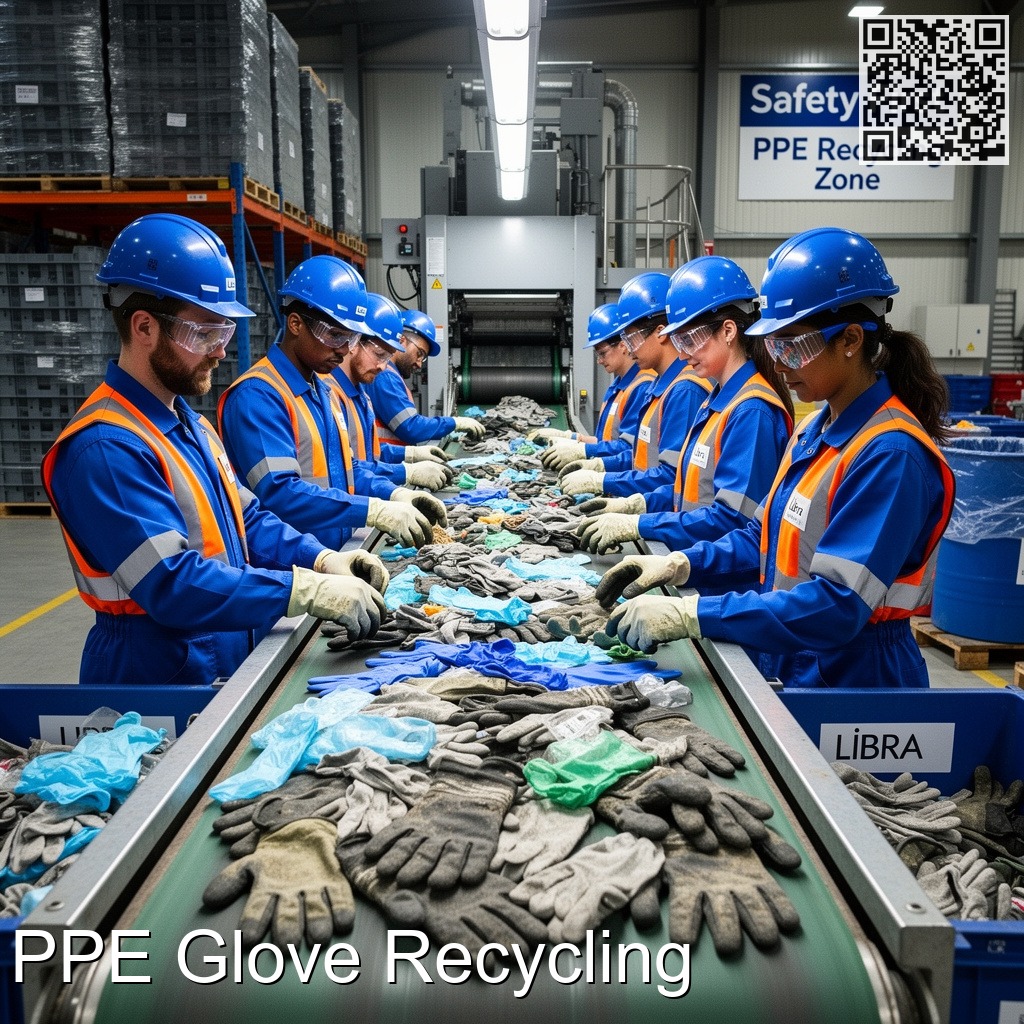
If you choose a flying start template, run a 90-day pilot in one department, procedure use, return, and top quality, and allow the numbers assist expansion or retrenchment.

Budgeting and contracts
If you clean in-house, budget for equipment, room, utilities, staff time, and QA. If you contract out, you are getting a service per handwear cover or per kilo. Agreements need to define service levels, turnaround time, batch traceability, reject thresholds, and what takes place when a great deal stops working. If engaging a partner like Libra PPE Recycling, secure quality on contamination tolerance, container types, pick-up schedules, and reporting layouts to please your Ecological responsibility disclosures. Build rate escalators tied to energy costs if your supplier utilizes energy-intensive procedures, and index transportation fees to sustain costs so shocks are managed.
Data that persuades leadership
Executives reply to pattern lines and run the risk of reduction. Track month-to-month handwear cover acquisitions by SKU, cleansing returns, recycling weights, disposal weights, QA turns down, and any kind of contamination cases. Express savings both in dollars and in prevented kilograms of garbage dump. Include a projection of avoided discharges utilizing a reputable factor array and show presumptions. If you used an ROI calculator at the start, upgrade its inputs with genuine data, then present where the version was off and why. This develops self-confidence that your next proposition is grounded.
Common pitfalls and how to stay clear of them
Programs stop working for uninteresting reasons. Bins are not identified clearly. Supervisors rotate and training gaps. Cleansing companions obtain mixed streams and send out additional charge invoices. Handwear covers obtain changed mid-contract, and the new material does unclean the same. These troubles are avoidable with adjustment control, SKU discipline, and routine audits. Keep your glove spec limited and withstand one-off buys during supply grinds unless you have actually confirmed compatibility. If you have to substitute, evaluate a small batch with your cleansing or reusing streams before committing.
Where the market is heading
Glove manufacturers are trying out chemistries that improve recyclability and with trace additives that speed degradation in particular garbage dump problems. Anticipate extra take-back programs, much better sorting innovation, and a lot more local cpus that lower transport ranges. The pattern is toward incorporated PPE solutions where procurement, operations, and sustainability groups work with from the start instead of mend waste problems at the back end. It is likewise likely that disposal charges and reporting stress will certainly raise over the following few years, nudging even traditional procedures to explore cleansing or recycling.
A practical way forward
Start with the work, not the belief. Recognize areas where handwear cover cleaning is safe and economical, and where it is not. Use a small-scope pilot to create your own data, and stress examination it with QA. Where cleaning does not fit, network product to PPE gloves recycling if purity and economics support it. Maintain a clear disposal course for truly risky streams. Record, action, and repeat. Bring in experts like Libra PPE Recycling where they add self-control and logistics you would rather not build.
Gloves are a tiny thing that multiply swiftly into a large operational and ecological footprint. The winning strategy is not a slogan yet a system: right handwear cover, best task, appropriate end-of-life course, and no drama in between. When you obtain that system aligned, the ROI shows up in the ledger and the footprint record, and your teams invest less time duke it outing bins and more time doing the work that matters.
Libra Industries Inc
1435 N Blackstone St, Jackson, MI 49202
+15177875675
| Place ID | ChIJt_HMH44vPYgRNbiD22DpHYo |
| CID | 9952367353767639093 |
| Business Profile ID | 6301257705288912858 |
7H9Q+2G Jackson, Michigan
| Coordinates | 42.26760060, -84.41112540 |
 Ask ChatGPT
 Ask Grok
 Ask Perplexity
 Ask Claude
 Ask Google AI
 Ask You